
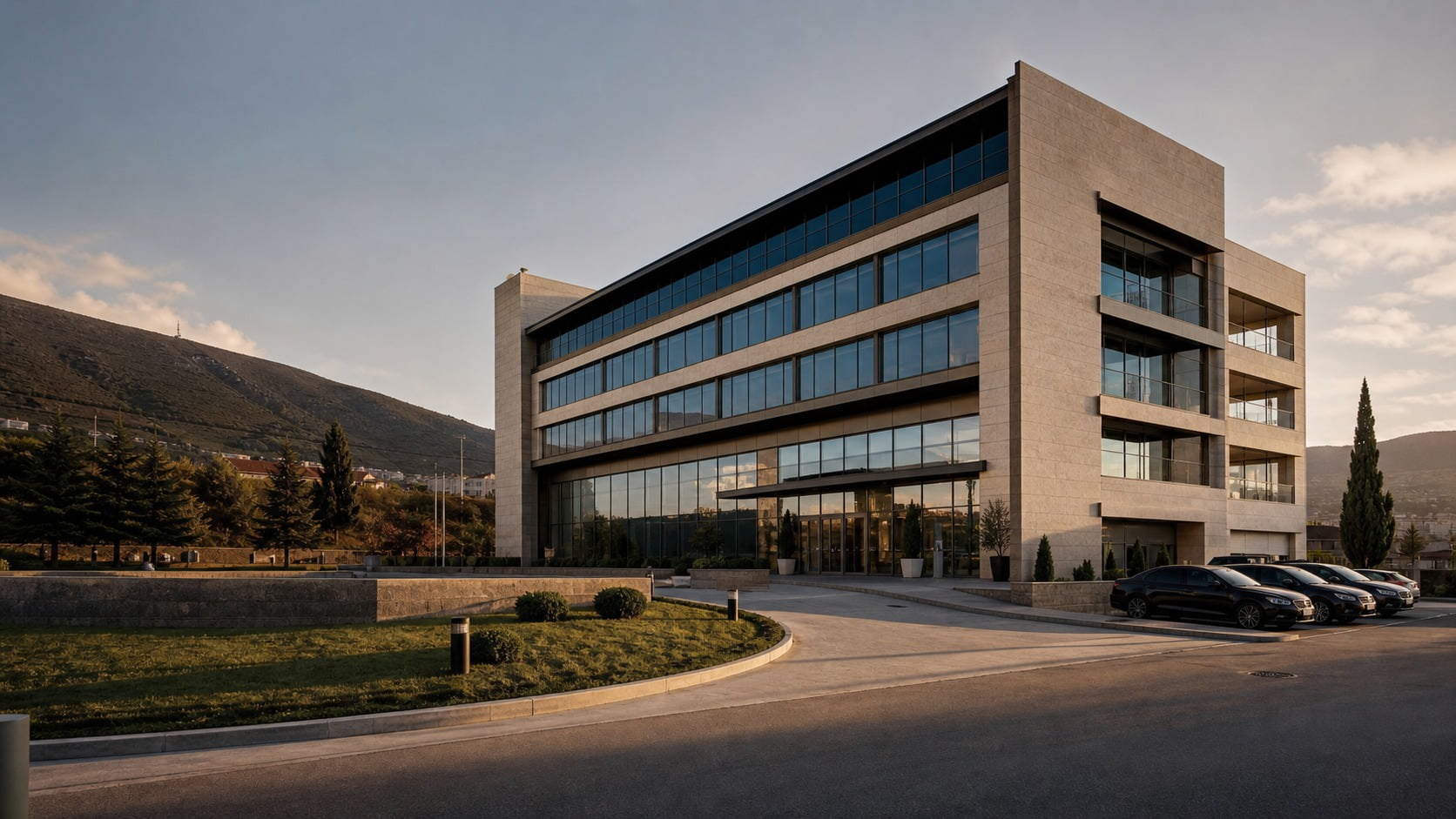
Development Platform
Multi-site development platform
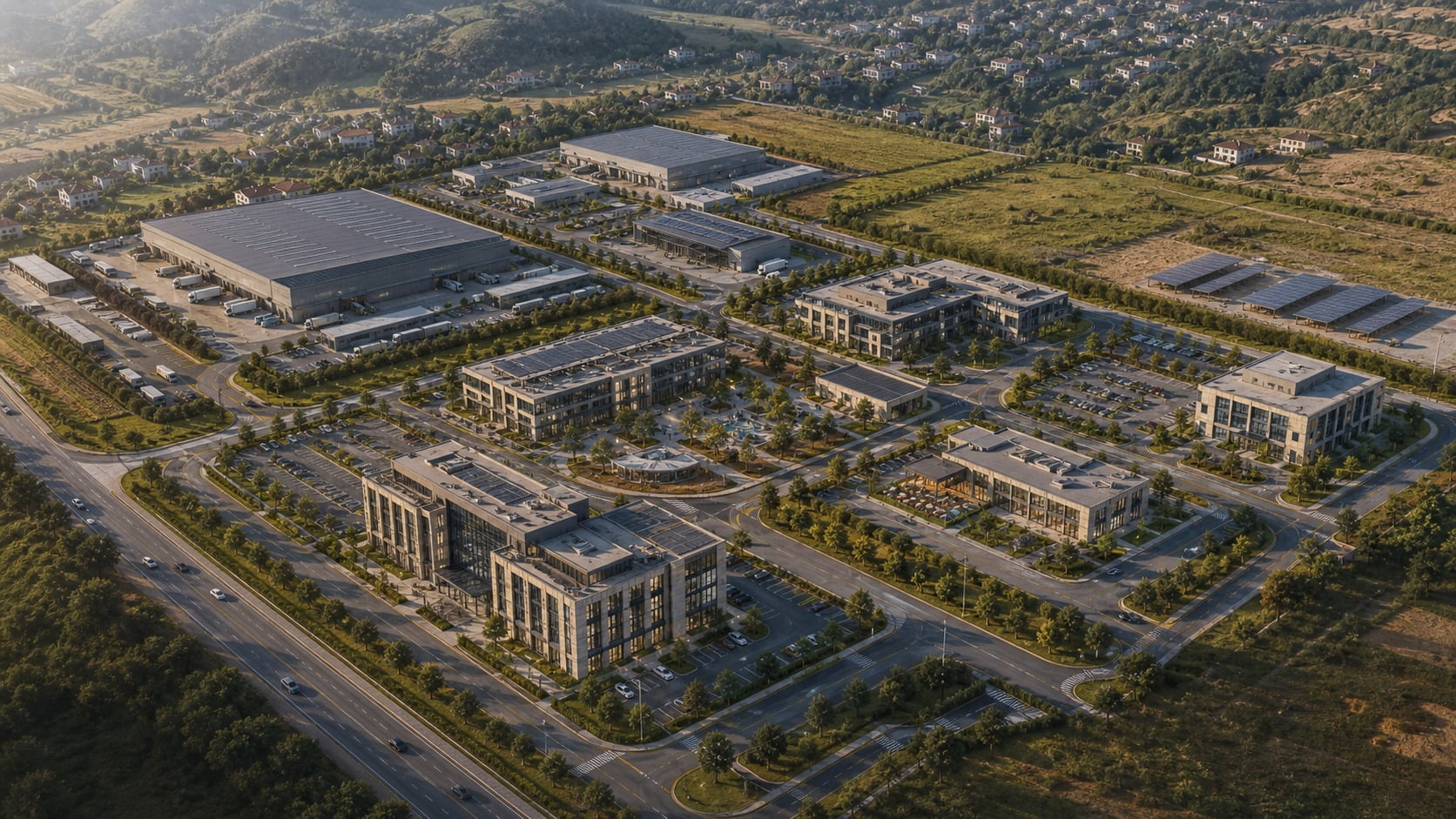
Aurevon’s platform can coordinate land, villas, single-family homes, commercial buildings, hospitality spaces, industrial support, and digital operations across Georgia, the UAE, Texas, and other project locations.
Platform Inputs
A practical model for roads, utilities, homes, villas, commercial buildings, service, and operations.
The platform should not be limited to one geography. Georgia can remain an operating base and commercial development focus, while the same engineering, construction, procurement, hospitality, and digital operating discipline can support villa projects in the UAE, single-family home programs in Houston and Texas, and selected commercial or mixed-use assets in other markets.
GEGeorgia platform base
UAEvilla project lane
TXHouston home programs
2040long-range horizon
Phased Execution
A platform becomes credible when land, homes, villas, utilities, buildings, and operations move together.
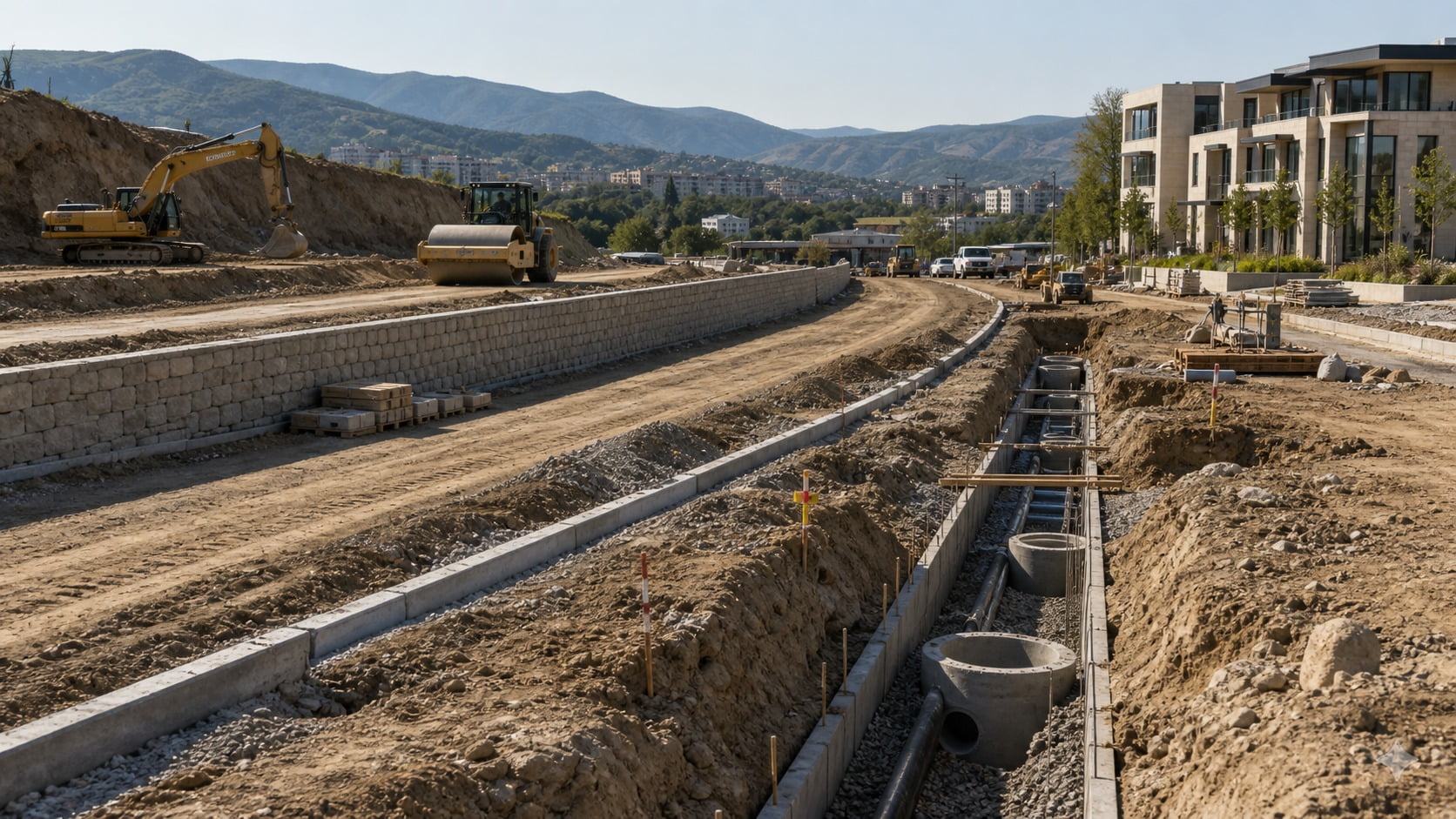
The sequence is intentionally practical across markets: establish access and infrastructure, prepare villa or home packages, coordinate commercial buildings and service zones, track project controls, and operate assets with software, hospitality, and industrial-service support. A UAE villa program, a Houston single-family home program, and a Georgia commercial site should all leave behind usable information: surveys, drawings, utility records, service access, procurement status, operations-readiness notes, and handover data.
- Site readinessRoad access, grading, drainage, utilities, safety planning, and service yards create the first layer for usable land in any market.
- Asset programsGeorgia commercial assets, UAE villas, Houston single-family homes, hospitality frontage, warehouses, and service spaces are planned as connected project types.
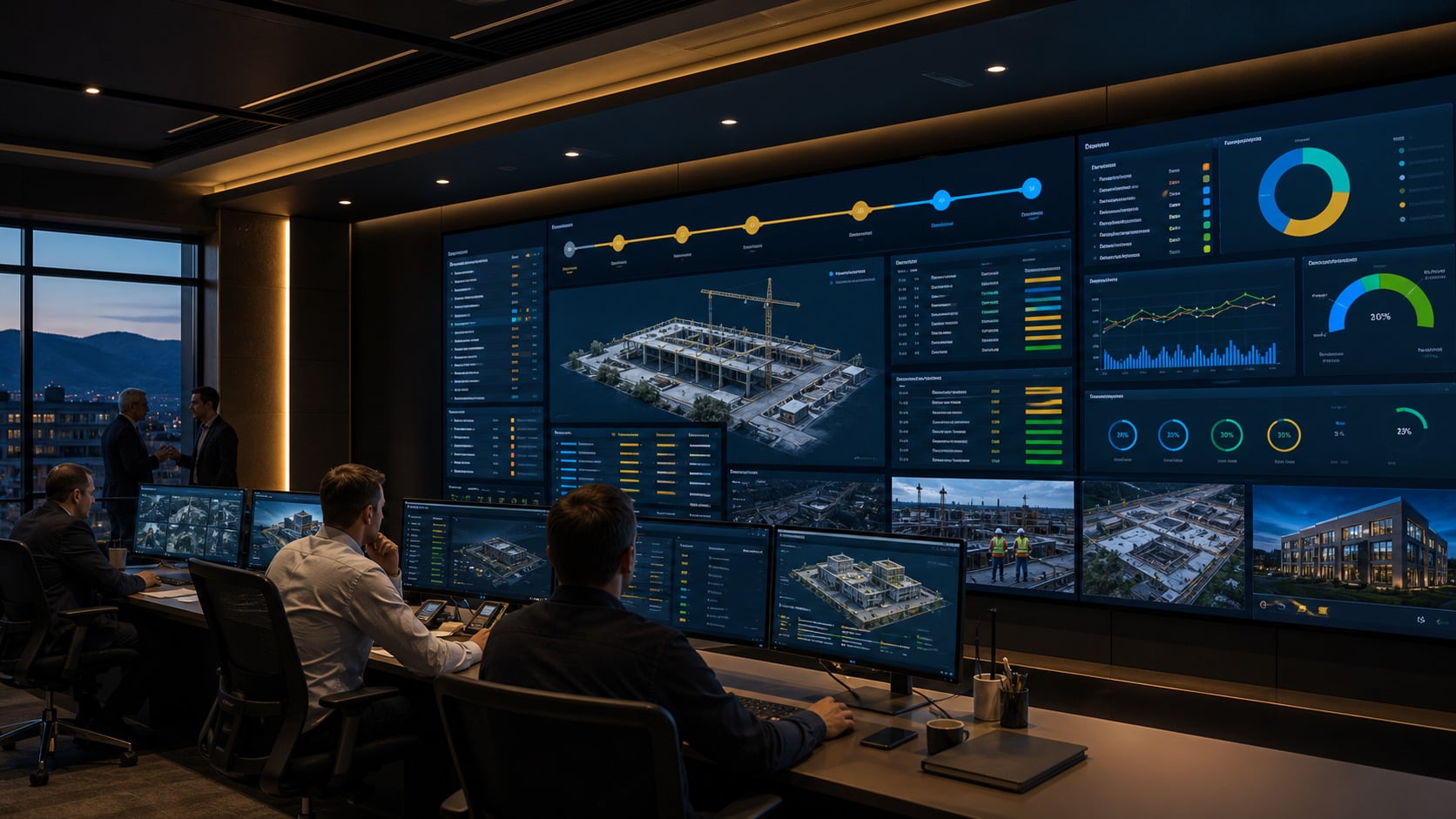
- Controls and operationsSchedules, procurement, QA, handover, service readiness, industrial service response, and smart-building monitoring remain visible through the lifecycle.
Operating Principles
Buildability, operating intelligence, and place quality guide every site type.
Aurevon’s planning themes belong inside the platform story across geographies: drawings must translate into practical site work, software and service data should make operations visible, industrial support should reduce delivery friction, and hospitality or resident experience should make homes, villas, and commercial places easier to use and maintain.
- BuildabilityPlanning, surveys, drawings, procurement, and site sequencing are reviewed for practical execution before commitments become expensive.
- Operations intelligenceDashboards, service records, campaign workflows, maintenance visibility, and hospitality feedback help assets improve after opening.
- Multi-market growthThe long-term platform is designed to grow through disciplined phases, useful infrastructure, and partnerships across Georgia, UAE villa work, Texas home programs, and selected commercial opportunities.
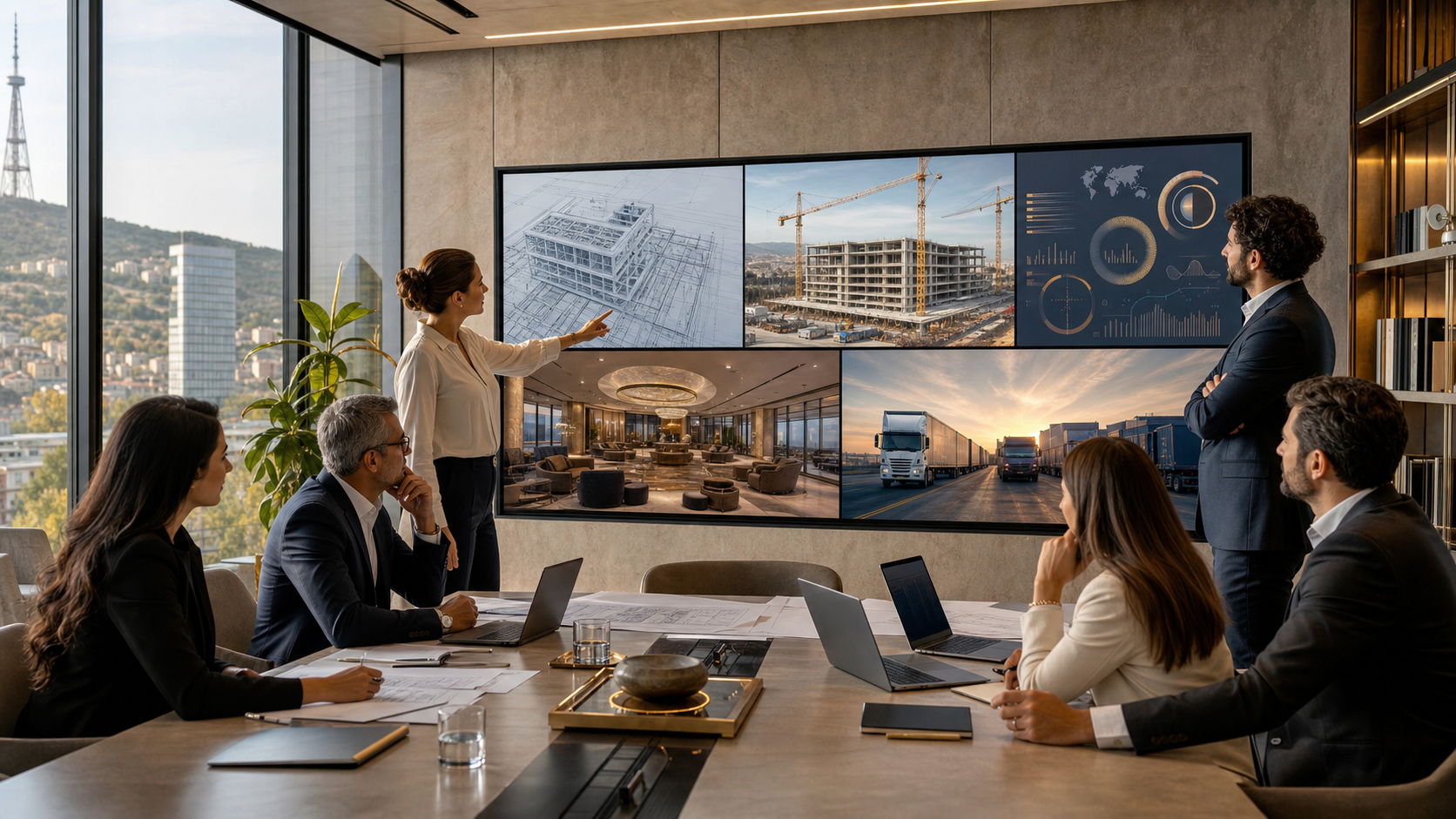
Development Zones
The platform is structured as repeatable project capability, not a single building.
Construction operations, engineering excellence, villa and single-family home programs, hospitality and experience zones, software and digital innovation, supply chain and industrial services, warehousing, utilities, roads, parking, power, solar, and expansion areas can be assembled differently by market.
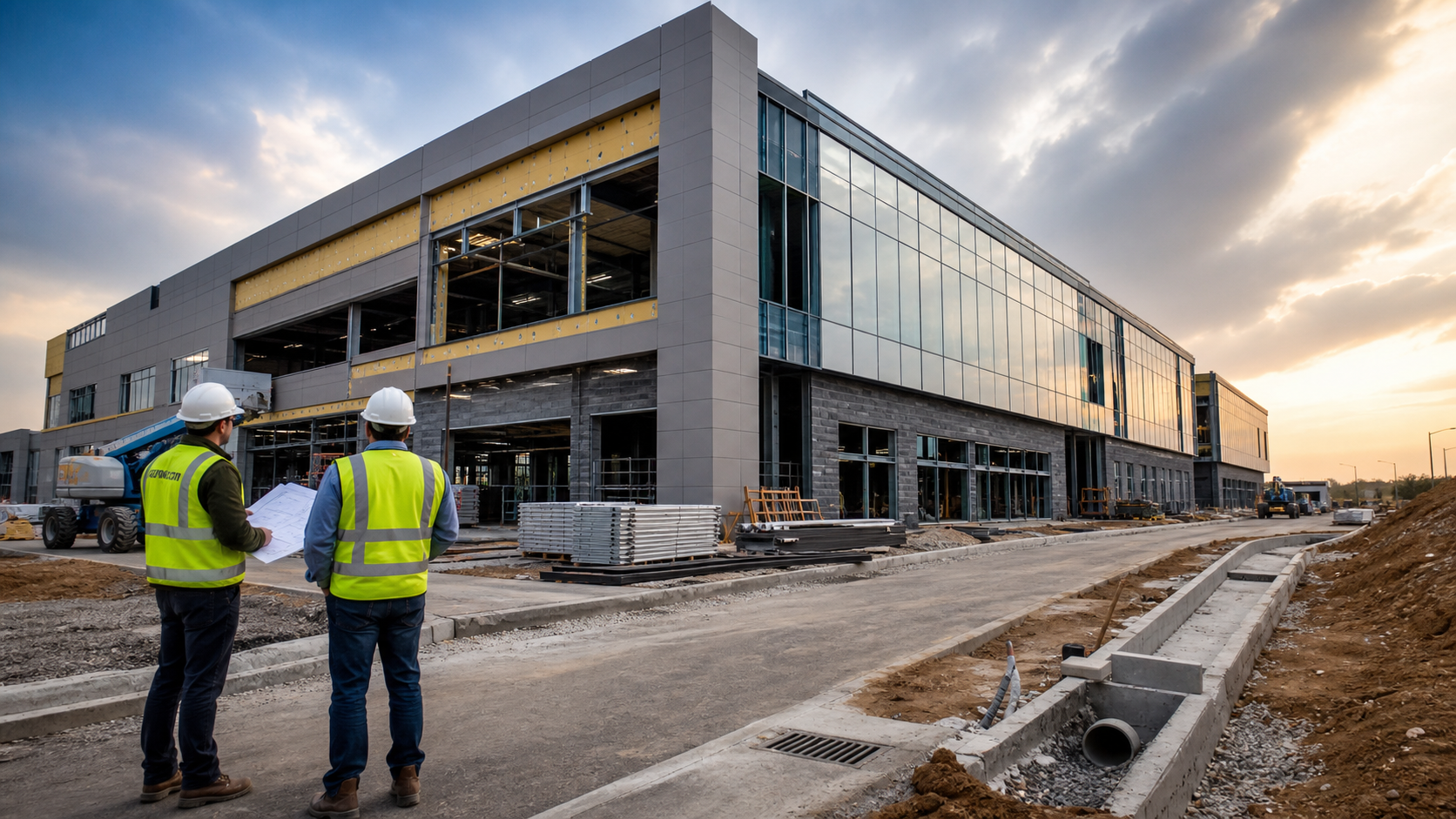
Construction & Development
Land development support, civil works, commercial structures, EPC coordination, and project controls.
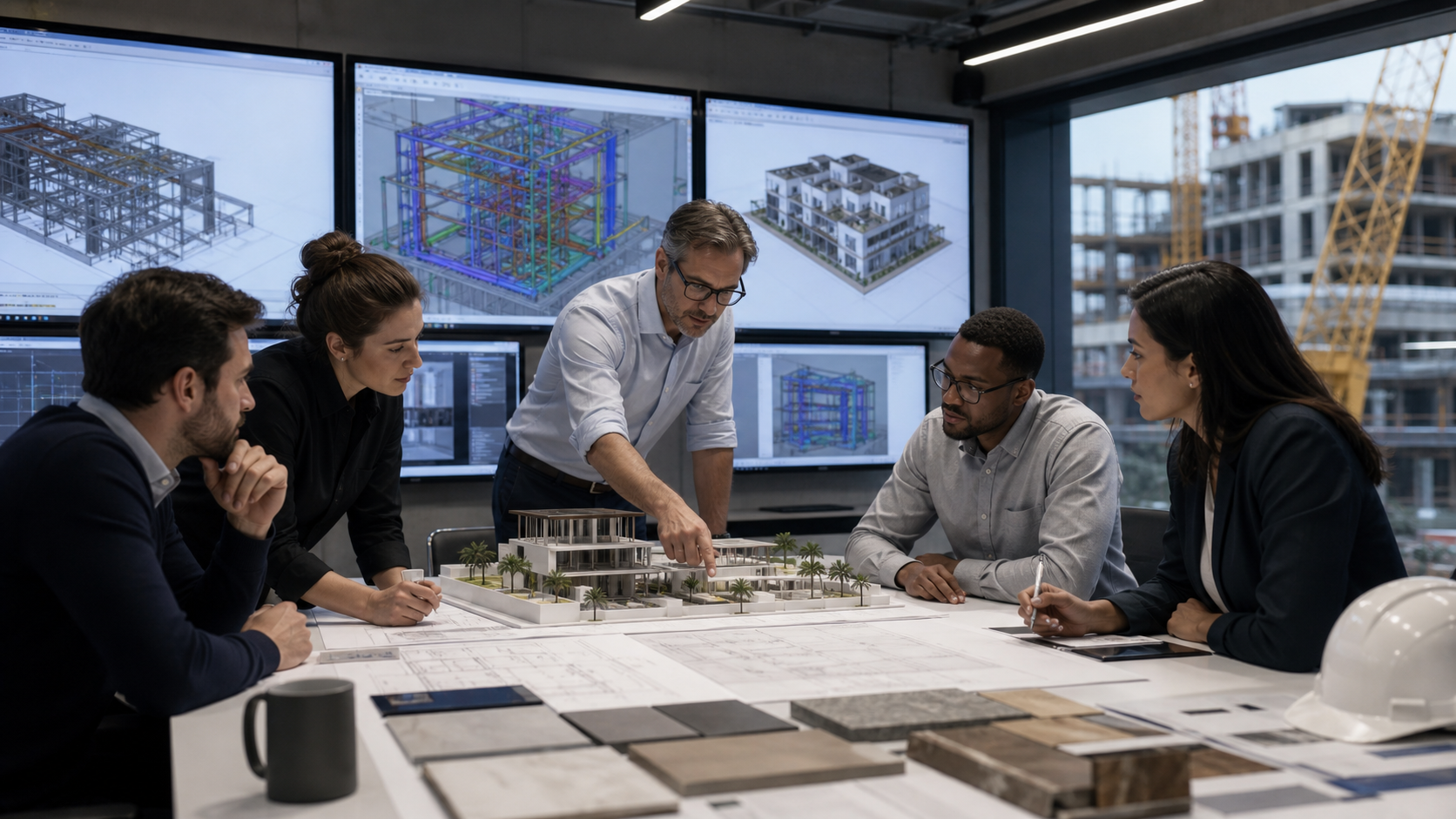
Engineering Excellence
Architecture coordination, engineering standards, surveys, BIM, MEP coordination, and buildable documentation.
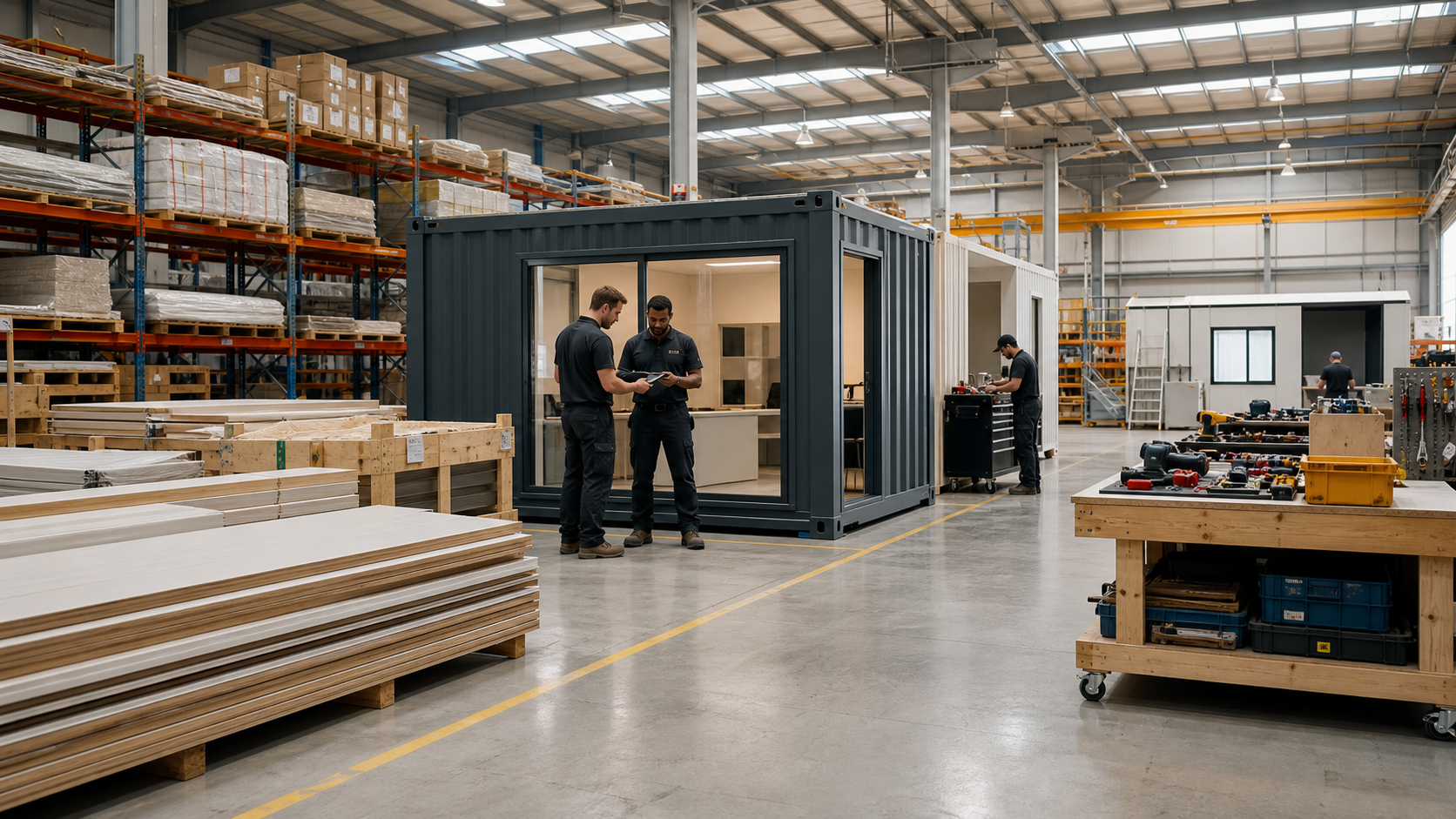
Supply Chain & Industrial Services
Warehousing, prefabrication, container solutions, fit-out supply, procurement, and service support.
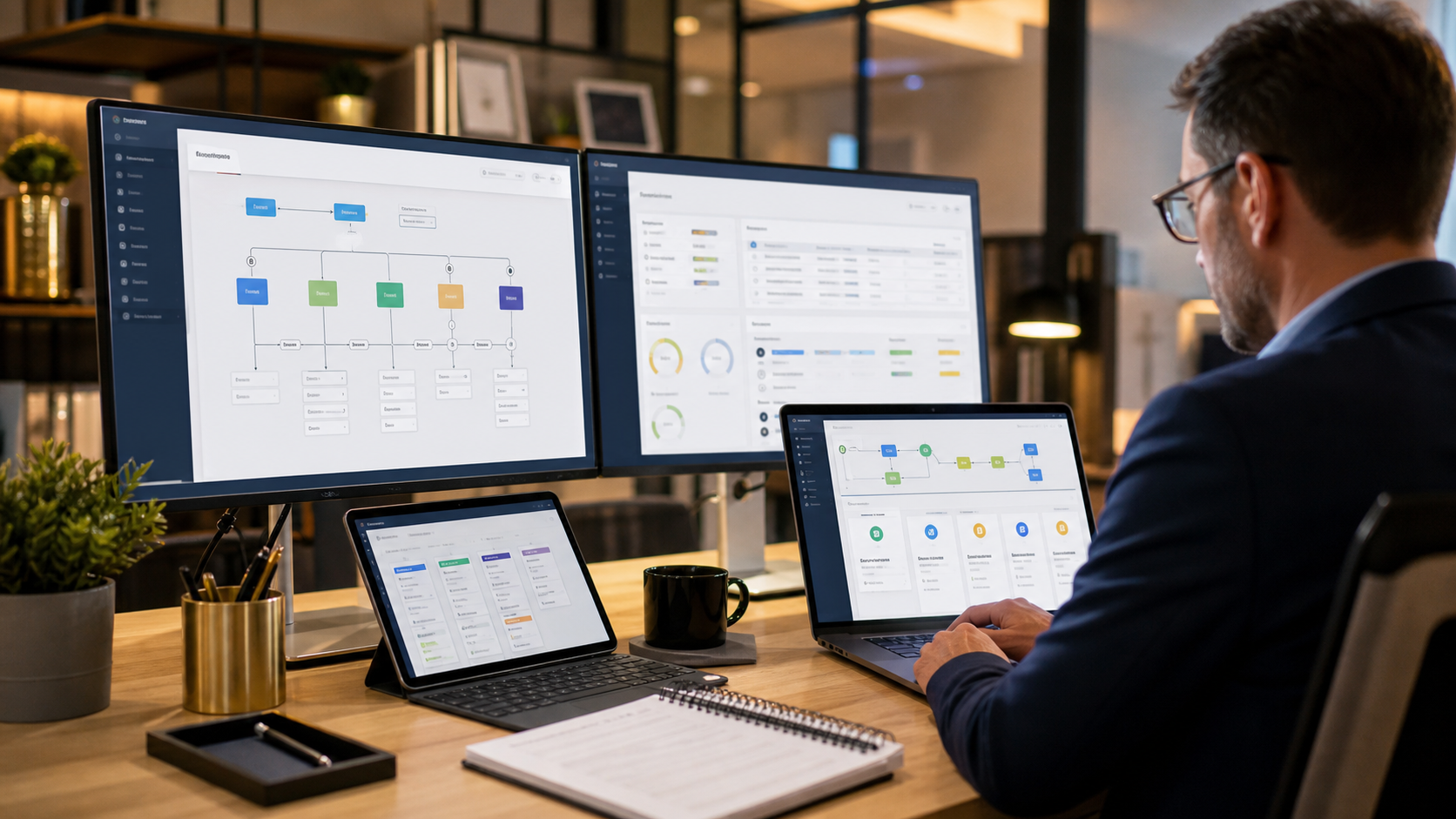
Software & Digital Innovation
Software, AI, cloud, cybersecurity, smart-building systems, dashboards, and digital workflows.
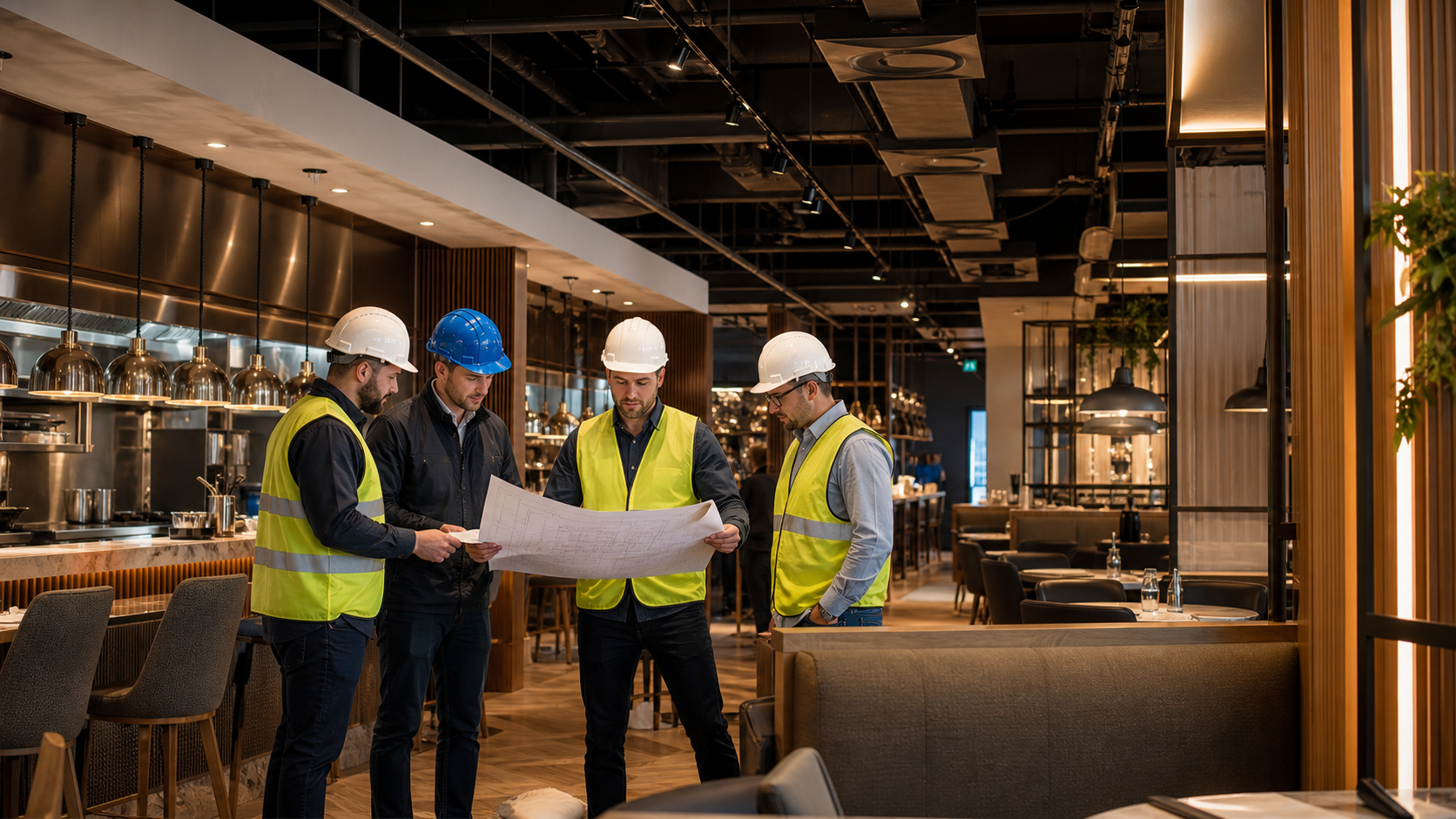
Hospitality & Experience
Restaurants, cafes, catering, events, guest service, amenities, and place activation.